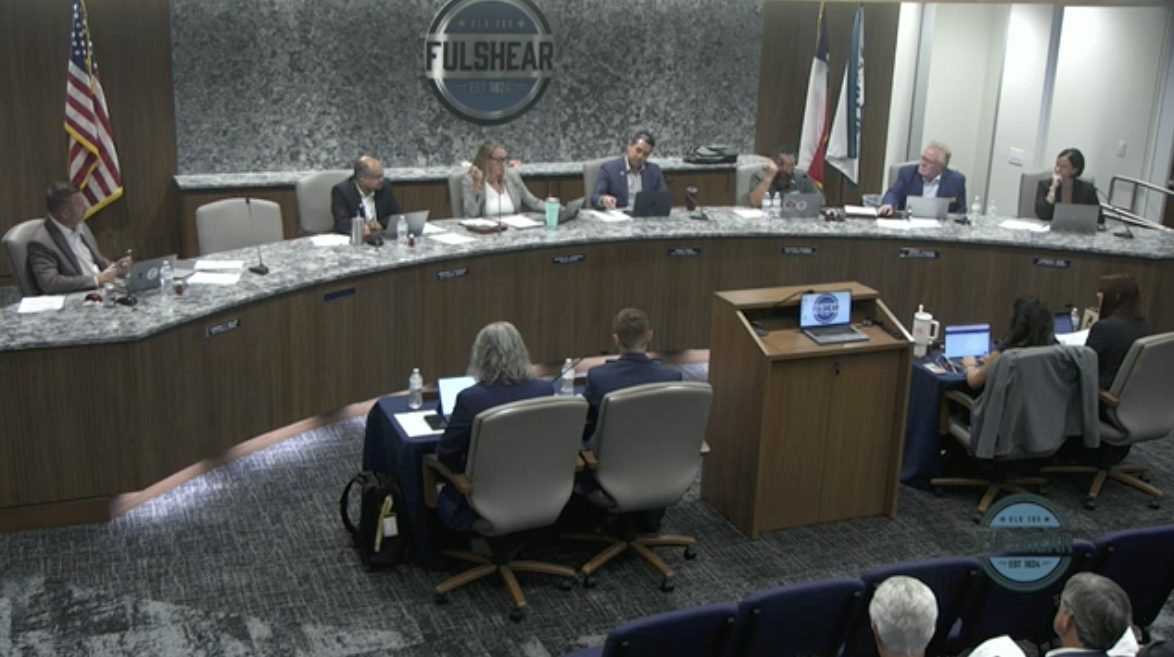
Fulshear City Council voted Tuesday, Sept. 15, to approve a 20-year surface water deal with the North Fort Bend Water Authority. The agreement eliminates roughly $40 million in planned upgrades at the McKinnon Water Plant, and the council approved it without opposition.
The deal commits NFBWA to deliver at least 1.4 million gallons of treated surface water per day to Fulshear, calculated on a 30-day average, My Neighborhood News first reported. That minimum was based on the city's winter-average water demand, according to the city's staff memo.
The financial impact goes beyond the McKinnon plant. Councilmember Camron K. Miller, who sits on the city's Strategic Water/Wastewater Infrastructure Planning committee, estimated the committee's broader optimization work has trimmed about $90 million from planned water and wastewater capital projects. The $40 million in scrapped McKinnon improvements is part of that total.
"We've saved probably, we've shaved about 90 million from the capital improvements projects," Miller said at the Sept. 15 meeting.
The city's staff memo states the eliminated McKinnon spending will let Fulshear reduce future utility bond needs or redirect that capacity to other infrastructure.
What residents should know
The deal is take-or-pay. Fulshear will owe NFBWA for the full 1.4 million gallons per day whether or not the city uses it all. Rates are not locked in. Payments will follow NFBWA's rate orders, which can change over time.
Surface water delivery to the Fulshear Bend Water Plant is targeted for Dec. 31, 2027. The FM 1093 Water Plant is next, with a target of Dec. 31, 2028. Both dates are goals, not guarantees. NFBWA is not obligated to deliver until regional pipeline projects and internal transmission lines are finished, though the authority agreed to use best efforts to hit those targets.
Even after service starts, the agreement does not guarantee a set quantity or pressure during droughts, emergencies, maintenance or equipment failures.
The agreement strongly encourages Fulshear to maintain its existing groundwater wells and interconnections with neighboring water systems as backup. Separately, the city states in the agreement that it complies with NFBWA's Minimum Well Capacity Policy and will continue to do so.
Subsidence and the push off groundwater
The agreement arrives as the Katy-Fulshear area faces some of the fastest land subsidence in the Houston region. The 2025 Harris-Galveston Subsidence District report found the highest measured sinking rate at a monitoring station in the Katy-Fulshear area, exceeding 3 centimeters per year, as The Katy News reported July 25. We reported on those findings Sept. 16.
The Texas Legislature created NFBWA in 2005 to help northern Fort Bend County water providers comply with groundwater-reduction mandates by securing treated surface water. The authority purchases water from the City of Houston and is building a pipeline to carry it nearly 55 miles from the Northeast Water Purification Plant to users in northern Fort Bend and west Harris counties.
Litigation settlement on the table
Fulshear and NFBWA have been in litigation over the authority's rates, including an appeal pending before Texas' Fifteenth Court of Appeals. The agreement calls for both sides to begin working toward a resolution once NFBWA executes the deal. Full resolution would also require the participation of the Public Utility Commission of Texas, a party to the case.
As part of the agreement, NFBWA committed to finalizing an independent rate study within 60 days and presenting the findings publicly. The authority will also analyze the gap between its Surface Water Fee and Groundwater Reduction Plan Fee, including whether to move to a uniform rate. The agreement does not require NFBWA to eliminate that difference.
In April 2025, the council approved engineering services for a pilot study at the McKinnon plant. That spending can now be redirected, and the plant's full buildout has been removed from a future bond program, according to the staff memo.