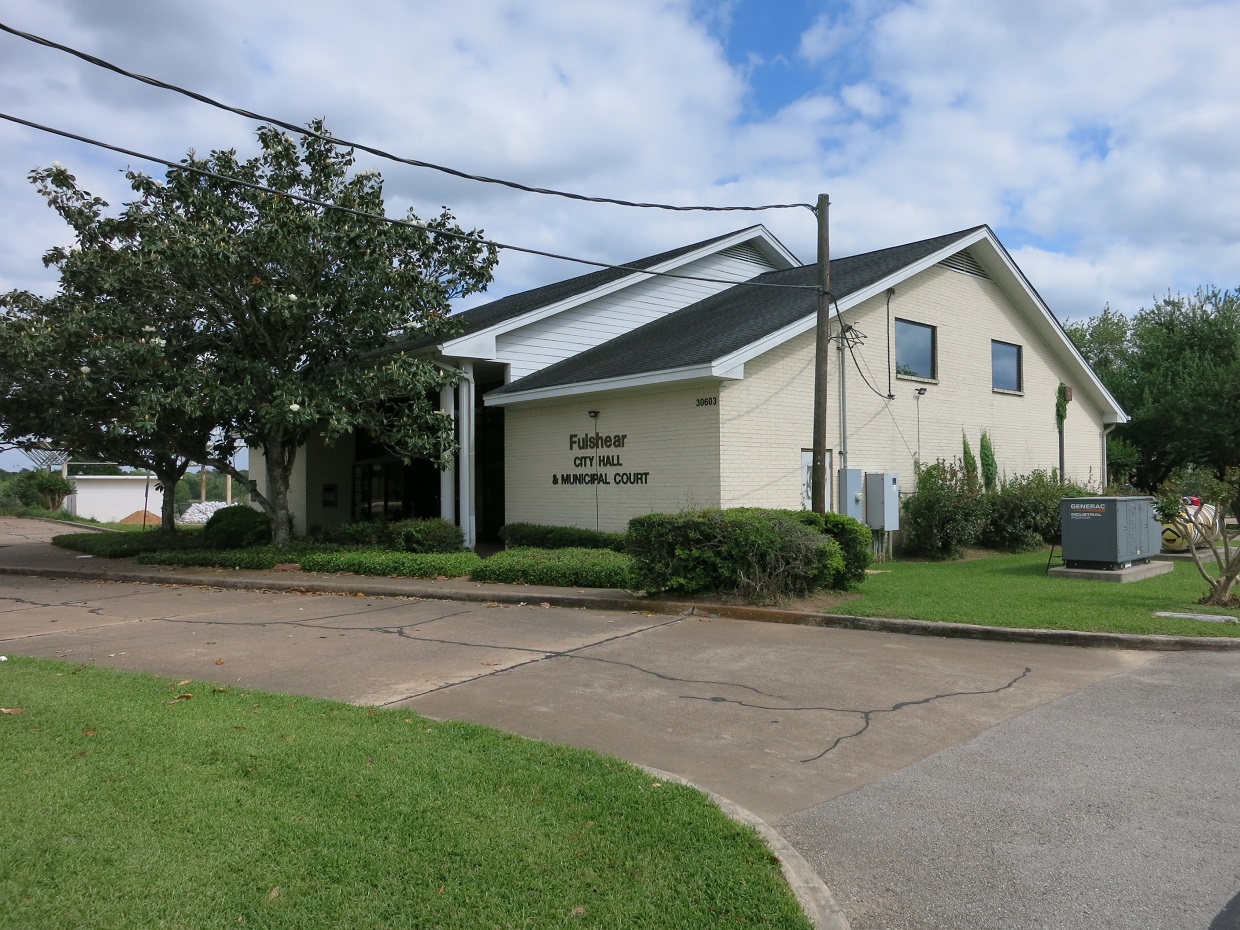
The ground beneath Fulshear is sinking faster than anywhere else in the Houston region, dropping about a foot every decade, according to the Harris-Galveston Subsidence District.
HGSD General Manager Mike Turco identified Fulshear as the district's top concern in a KPRC 2 interview that aired Tuesday, Sept. 15. Asked whether any area could become the next Brownwood — the Baytown neighborhood that sank 10 feet over several decades and was abandoned after Hurricane Alicia in 1983 — Turco pointed directly at Fulshear.
"Over near Fulshear, they're about 3 centimeters per year," Turco said. "We do the calculation, that's about a foot per decade, or even a little bit more. So, in those areas we're watching those very closely. Those are our highest subsidence rates."
The HGSD's 2025 Annual Groundwater Report, released in May, confirmed the finding. A GPS monitoring station near Katy recorded roughly 35 centimeters of total subsidence between 2007 and 2025, according to The Katy News. The Tamarron master-planned community between Katy and Fulshear sits next to the fastest-sinking sensor in the area, the Houston Chronicle reported.
The sinking is caused by heavy groundwater pumping. As water is drawn from underground aquifers, the soil above compacts and the surface drops. In Regulatory Area Three, which includes the Katy-Fulshear corridor, about 83% of the district's groundwater use occurs, the HGSD report found. Water levels in the aquifer there have fallen more than 300 feet below 1977 benchmarks.
The fix is expensive. The West Harris County Regional Water Authority and the North Fort Bend Water Authority are building a $1.2 billion pipeline to deliver surface water from Lake Houston through more than 55 miles of pipe and two pump stations, according to the Surface Water Supply Project. Fulshear is already transitioning to that supply.
The region has cut groundwater use from 70% to 40% of total demand, Turco said in an Aug. 31 KPRC 2 segment. The target is 20% by 2035. In areas that have already converted, aquifer water levels have risen more than 200 feet, the HGSD report found.
But the timeline keeps shifting. The Fort Bend Subsidence District, which governs Fulshear's side of the county line, voted in late 2025 to push its surface water conversion deadline from 2027 to 2030, according to North Fort Bend Water Authority meeting minutes. Water providers that miss their targets face a penalty of $12,520 per million gallons over the permitted limit, according to HGSD Communications Director Casey Hughes.
All of this is unfolding in the second-fastest growing city in America, according to Census Bureau estimates reported by the Houston Chronicle. Fulshear's population jumped 21% in the most recent estimate, growing from about 17,000 in 2020 to nearly 65,000. More rooftops mean more water demand.
No response from Fulshear city officials on the subsidence findings appeared in any of the available reporting. Water providers that fall short of the 2030 conversion deadline will owe the penalty for every excess gallon they pump.