TEA Commissioner Mike Morath asked state lawmakers for $97.3 billion to fund Texas K-12 schools over the next two years. The $6.3 billion increase over the current budget would flow to districts including Katy ISD and Lamar Consolidated ISD through the state's main funding formula.
Morath presented the request at a Tuesday, Sept. 29 hearing before staff from the governor's office, legislative leaders' offices, the Legislative Budget Board and budget-writing committees, as first reported by Community Impact. No elected lawmakers attended.
The request covers the 2028-29 budget cycle, which spans two fiscal years: about $49.6 billion for fiscal year 2027-28 and $47.7 billion for fiscal year 2028-29. The current two-year budget is about $91 billion.
Morath said the funding would preserve all current public school funding through the Foundation School Program, the state's main pipeline for K-12 dollars. He described the Texas Education Agency (TEA) as "largely a pass-through vehicle to fund schools around the state of Texas."
What it means locally
Both Katy ISD and Lamar CISD depend heavily on state dollars distributed through attendance-based formulas. How much of the $97.3 billion reaches each district depends on enrollment, attendance and local property tax revenue.
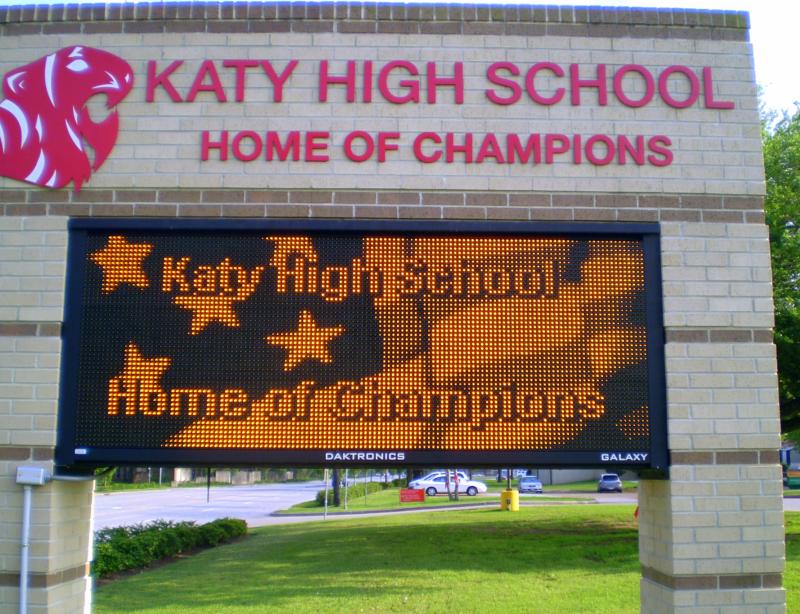
Katy ISD trustees approved a $1.17 billion operating budget for 2026-27 that projects a $25.7 million deficit. The district is budgeting for about 95,000 students after enrollment declined during 2025-26. CFO Christopher Smith reported that taxable property value grew just 1.5%, the district's lowest rate in years.
At a Sept. 21 meeting, Katy ISD held its tax rate at $1.1171 per $100 valuation for a third straight year. Smith explained that rising local revenue triggers a drop in state funding. "The state legislature does try to offset that through homestead exemption increases or compressing the tax rate," Smith said at the Sept. 21 board meeting.
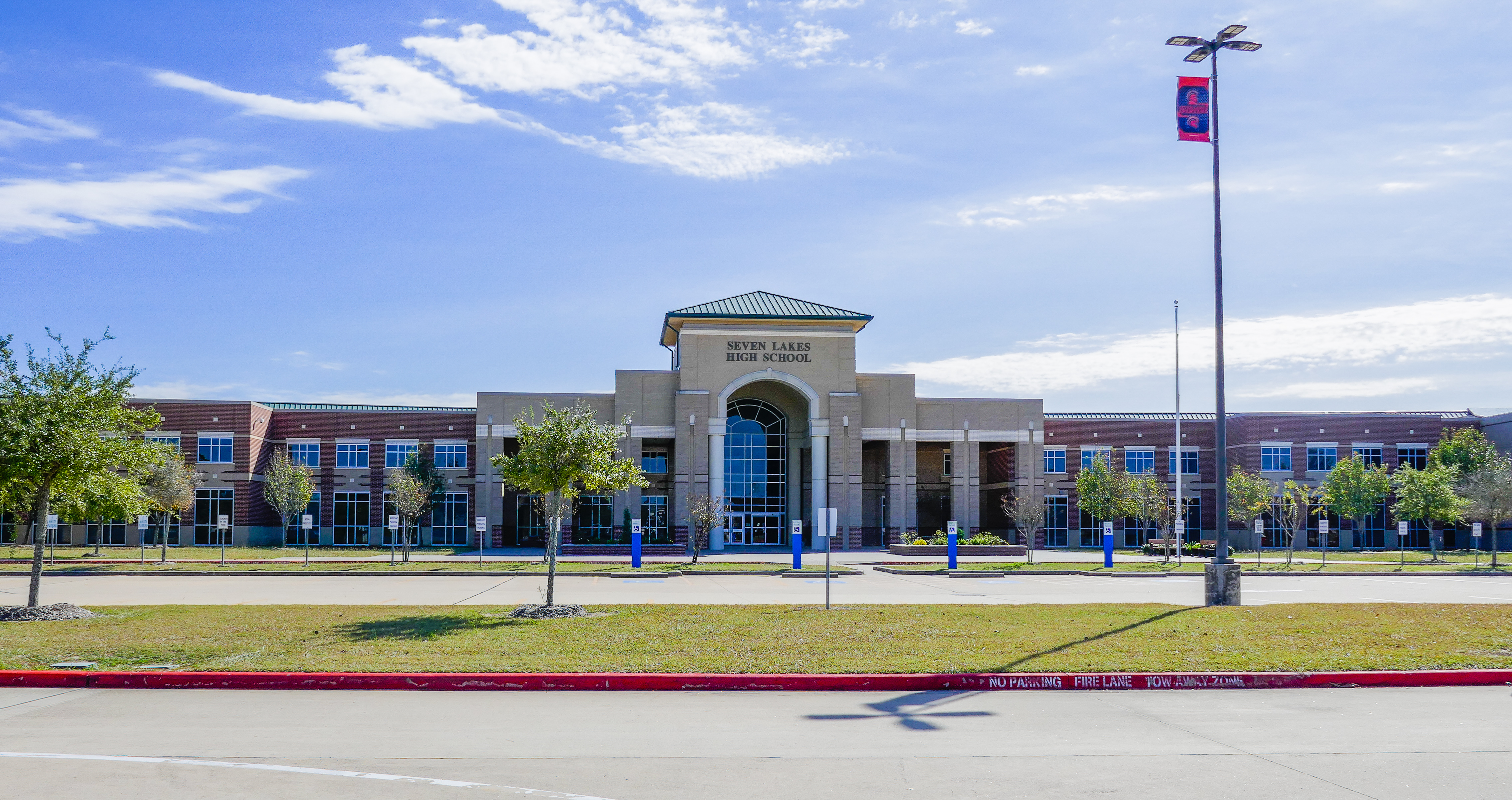
Lamar CISD faces the opposite pressure. The district approved a $572.2 million balanced budget for 2026-27 and expects enrollment to top 50,000 students. Demographer Zonda Demographics projects growth of 1,600 to 1,900 students per year for at least the next decade, concentrated in Fulshear. At a Sept. 15 meeting, the board lowered its tax rate to $1.139 per $100 valuation, a 0.69% decrease.
Broader budget picture
The basic allotment, the base amount of per-student funding from the state, stands at $6,215 after lawmakers approved a $55 increase last year. School leaders across the state have said the increase falls far short of the roughly $1,300 per student they sought to keep pace with inflation, according to Community Impact.
Gov. Greg Abbott and legislative leaders directed most state agencies in July to cut their base budget requests by 3% for the coming cycle. Public education funding was exempt from that reduction.
The Texas Comptroller's Office has asked lawmakers to double funding for the Texas Education Freedom Accounts program from $1 billion to $2 billion. The Legislative Budget Board projected demand could push that figure to $4.8 billion by 2030.
What's next
Lawmakers will hear from Morath and other agency officials as they draft the state budget during the 2027 legislative session, which begins in mid-January. Passing a balanced two-year budget is the only task the Texas Constitution requires of lawmakers during the 140-day session.