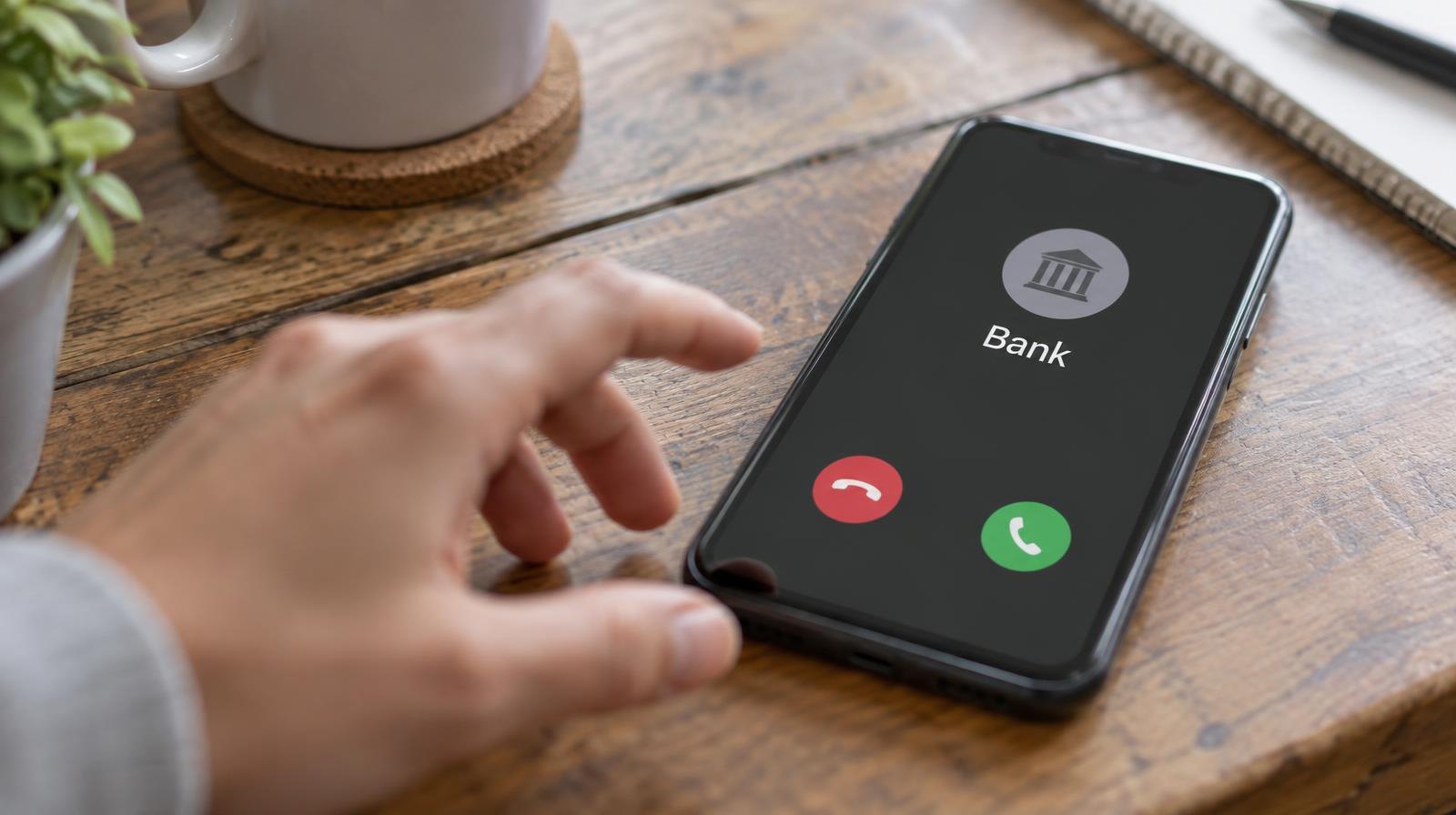
The Fort Bend County Sheriff's Office is warning Fulshear and Katy-area residents about scammers posing as bank employees to steal money and account information.
The agency posted a scam alert on Instagram on Oct. 18 describing how callers pretend to represent banks or other financial institutions. The scammers claim to have detected suspicious activity or fraud on a person's account, then pressure the target to transfer money into a "new," "safe" or "secure" account.
That destination account may be controlled by the scammer.
The calls can be convincing, according to the sheriff's office. Fraudsters may use familiar banking terms, already possess personal or account details and manipulate caller ID so the call appears to come from a legitimate bank number. My Neighborhood News reported that the technique, known as caller ID spoofing, means a familiar bank name on a phone screen does not guarantee the caller actually works for that institution.
The sheriff's office listed several red flags residents should watch for:
- A caller who asks you to move money into a new account to prevent theft
- Requests for passwords, PINs or one-time verification codes
- High-pressure claims that money will disappear or accounts will be frozen unless you act immediately
- A caller who already knows personal details about you, which scammers may have obtained through data breaches or phishing
The agency's core message: a real bank will never ask a customer to protect funds by transferring them into a stranger's account.
No specific complaint numbers or dollar-loss figures for bank impersonation scams in Fort Bend County have been released. The sheriff's office also issued a warning about jury duty and bail bond scams on Sept. 9, according to the Fort Bend County news page.
If you get an unexpected call about your bank account, the sheriff's office says to hang up. Then contact your bank directly using the number on the back of your card or through the bank's official app. Do not call back a number the suspicious caller provides.
Anyone who has already transferred money or shared account details should contact their bank's fraud department immediately, change compromised passwords and review recent transactions. Suspected financial fraud can also be reported to the Federal Trade Commission (FTC) at ReportFraud.ftc.gov or to local law enforcement.