Katy and Fulshear residents are already being asked to conserve water this summer. A University of Texas at Austin study says the state's data-center boom could make long-term supply planning even harder for the region that serves both cities.
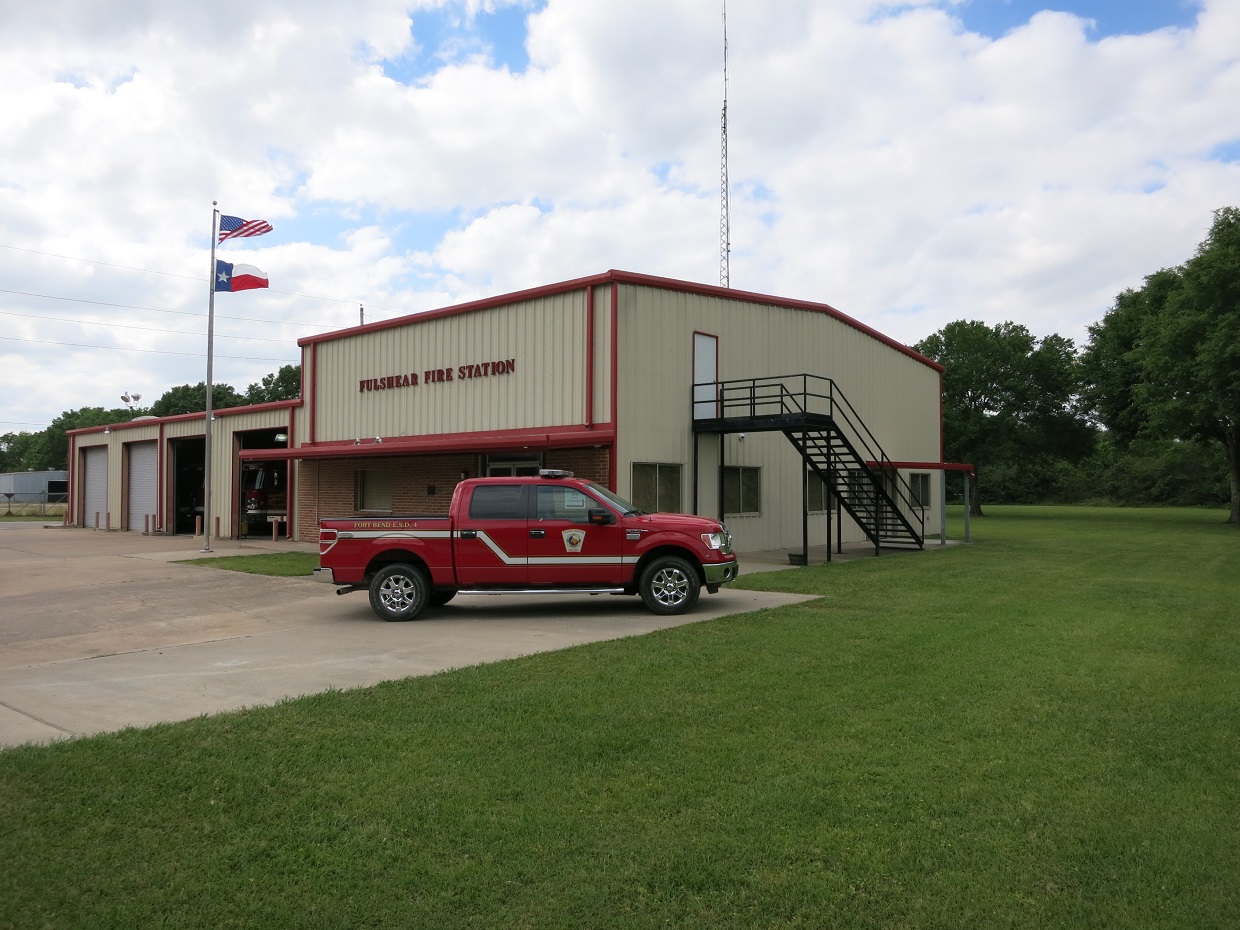
Both cities activated Stage 1 water conservation plans in August. Katy triggered its voluntary plan on Aug. 21, asking residents to reduce usage by about 5%. Fulshear followed effective Aug. 31, requesting residents and businesses limit outdoor watering to twice per week to cut consumption by 2%.
Data centers are not driving those conservation measures. But a UT Austin white paper published in May estimated that Texas data centers could account for 3% to 9% of the state's total water use by 2040, up from less than 1% now. That upper end would rival manufacturing, which accounts for about 7% of statewide water use under the current state water plan.
Katy and Fulshear sit inside Region H, the state water-planning area covering Fort Bend, Harris and Waller counties. Houston is one of four major Texas data-center hubs identified by UT researchers, alongside Dallas, Austin and San Antonio. A Katy News analysis published Sept. 4 noted that the 2026 Region H Water Plan already includes conservation, new surface-water supplies and water-reuse strategies for those counties, but did not find evidence that data centers are causing a residential water shortage in Katy.
The UT study, developed by the COMPASS research consortium at the Bureau of Economic Geology, estimated Texas data centers used roughly 33 billion gallons of water in 2025, counting both on-site cooling and the water needed to generate their electricity. That figure could climb to about 225 billion gallons by 2030 and 348 billion gallons by 2040. The researchers cautioned that these are scenario-based estimates, not guarantees.
"There's a lot of uncertainty surrounding the water use for data centers," Mariam Arzumanyan, a postdoctoral fellow at the Bureau of Economic Geology, said in the May UT Austin announcement. "People don't know the scale of how much water is going to be needed."
Texas A&M researchers reported earlier in 2026 that the state had roughly 405 data centers, with another 442 under construction or planned. Texas A&M AgriLife Extension researchers have warned that data centers can compete with farmers and communities for land, water and energy, particularly where groundwater is already stressed.
Abbott orders audit, seeks water rules
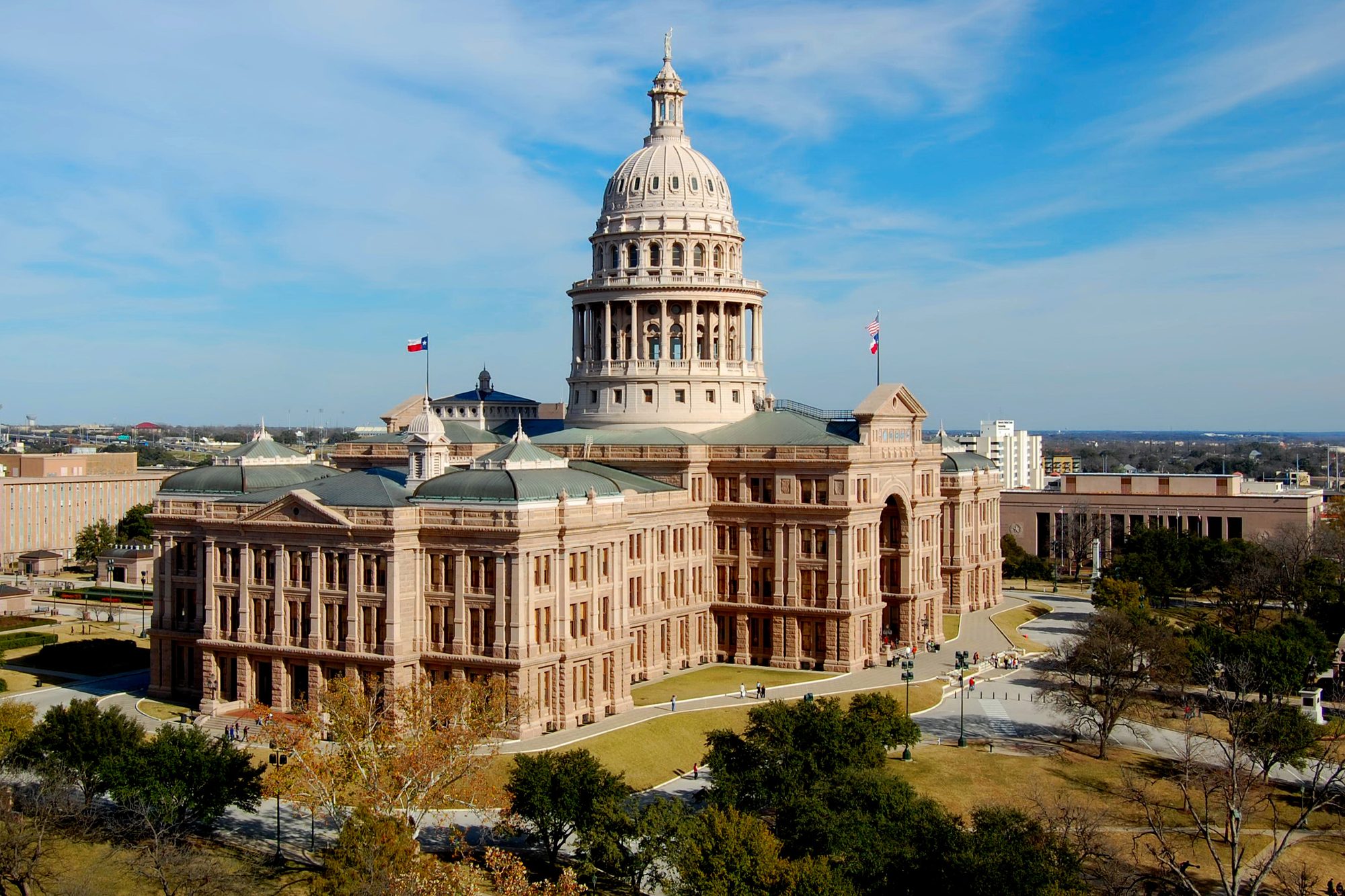
Gov. Greg Abbott has moved to put guardrails on the industry. On June 10, he directed the Public Utility Commission of Texas (PUCT) and the Electric Reliability Council of Texas (ERCOT) to prevent data-center infrastructure costs from being shifted to residential electricity customers. He also pledged to pursue legislation mandating water-efficient cooling systems for new data centers and requiring large facilities to report electricity and water usage annually to the PUCT.
On Aug. 3, Abbott ordered a comprehensive audit of every data center seeking to connect to the state power grid. The audit covers 250 to 300 projects. No data center can be approved for grid connection until the review is complete. Projects must disclose tax breaks received, water use, cooling operations and efforts to reduce impacts on local communities.
Abbott said on Aug. 10 that Meta had committed to comply with his standards, adding that data centers "must not pass costs on to Texas families or interfere with their quality of life."
The Texas Water Development Board said data-center water use is now being separately tracked through the state's Water Use Survey. A state analysis cited by the Texas Tribune estimated Texas communities would need to spend $174 billion over the next 50 years to avoid a water crisis.
No specific data-center proposals in Katy or Fulshear have been identified. ERCOT said the audit will take several months.