New social studies standards requiring lessons on "radical Islam" across four high school courses and referencing Christianity at least 18 times will reach Katy ISD and Lamar Consolidated ISD classrooms starting in the 2030-31 school year.
The Texas State Board of Education (SBOE) approved the changes Friday, Sept. 4, in a series of party-line votes, completing a rewrite of K-12 social studies curriculum that stretches back to 2022. The board voted 10-3 on U.S. Government, 11-2 on U.S. History, 9-3 on World History and 8-3 on World Geography, with Republicans in favor and Democrats opposed, The Texan reported.
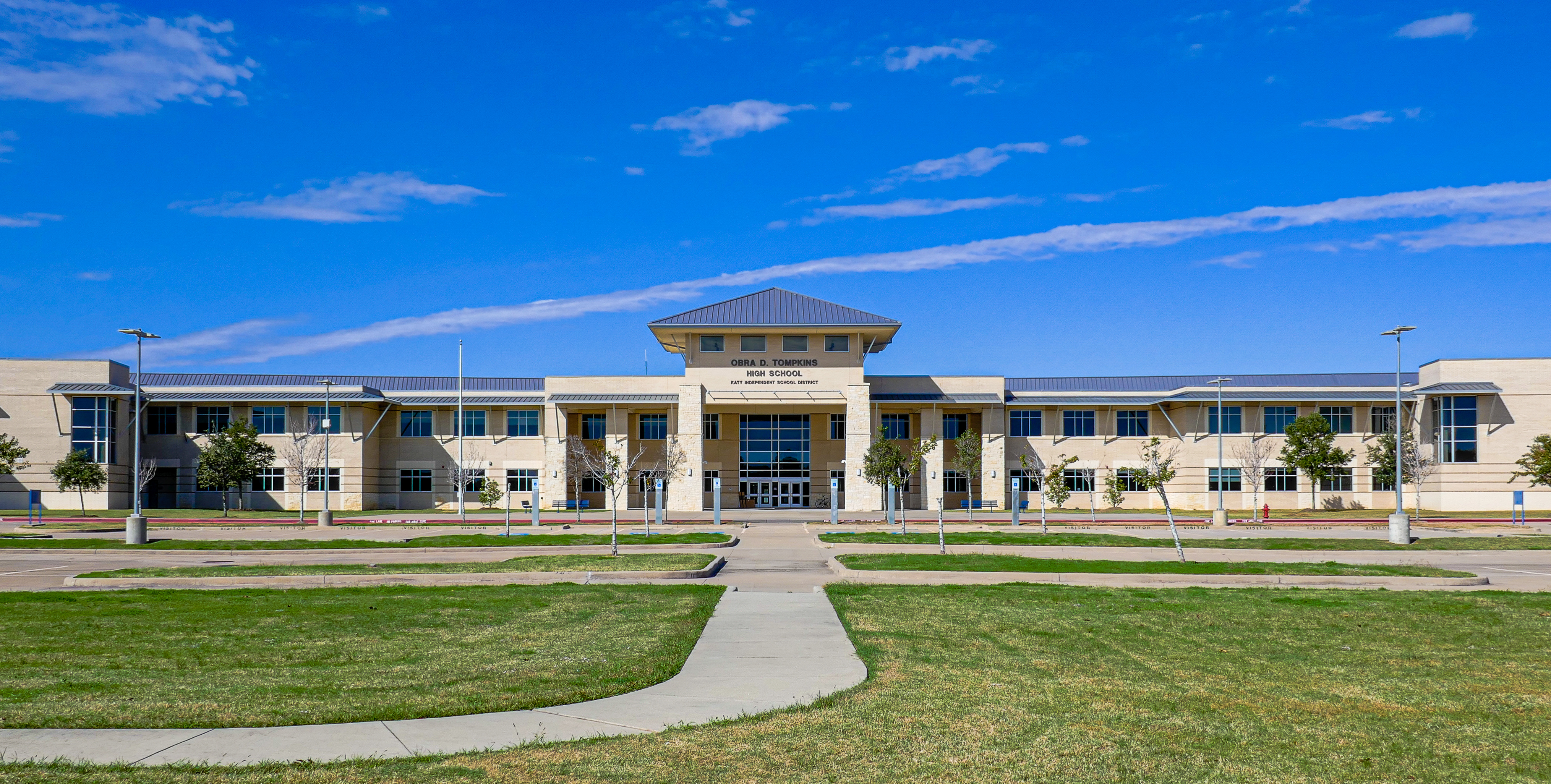
The standards are mandatory statewide. Katy ISD serves more than 95,000 students across more than 100 campuses, according to the district. Lamar CISD projects enrollment of 57,559 by 2030-31, the year the new standards take effect, according to the district's demographics report dated Aug. 18.
Under the approved standards, all four high school courses will require lessons on "radical Islam." The U.S. History course will teach that the Sept. 11, 2001, terrorist attacks were "motivated by radical Islam" rather than focusing on specific groups such as al-Qaeda, according to Community Impact. The World History course will require students to learn about early Islam through "the Prophet Mohammed's brutal military campaigns against Jewish and Christian tribes, the normalization of slavery, and the taking of female captives as harem slaves."
Students will also study "the life and teachings of Jesus" and the "roots of Western civilization in Christianity." The World Geography course requires study of religious texts and "significant beliefs" of Judaism, Buddhism and Hinduism but not of Islam.
The board earlier in 2026 removed a proposed standard on Muslim contributions to algebra and astronomy. Democratic members tried to restore it during the Monday, Aug. 31–Friday, Sept. 4 meeting week. The Republican majority voted those amendments down.
At least three of the board's own appointed content experts cautioned against the characterization of early Islam. Andrea Hutchison, a social studies curriculum coordinator for Prosper ISD, said the framing does not "hold up to close historical scrutiny," Houston Public Media reported. Robert Koons, a philosophy professor at the University of Texas at Austin, said most nonreligious scholars find the source of the claims "not very reliable."
About 100 Texans testified at the Monday, Aug. 31 hearing. The board did not take additional public comments before its Friday, Sept. 4 final votes.
State Rep. Salman Bhojani, whose District 92 covers part of the Dallas-Fort Worth area, criticized the standards in media coverage Thursday, Sept. 3. "Terrorism has no religion," Bhojani said, according to CBS Austin. "We do not say 'radical Christianity' when a Christian commits an act of violence."
SBOE member Brandon Hall, R-Aledo, defended the changes at the Friday, Sept. 4 meeting, saying the standards do not establish a state religion. Hall said students should understand that legal scholar Sir William Blackstone believed human law should conform to God's law and that the founding fathers believed this view shaped the Constitution.
The new standards also eliminate the current sixth-grade world cultures course. A separate personal financial literacy course was approved 8-4 and will take effect in the 2028-29 school year.
Katy ISD and Lamar CISD have not publicly commented on the vote. The new K-12 standards will be phased in starting in 2030-31, beginning with kindergarten and early grades.